


Environment and Ecology

Environment and Ecology

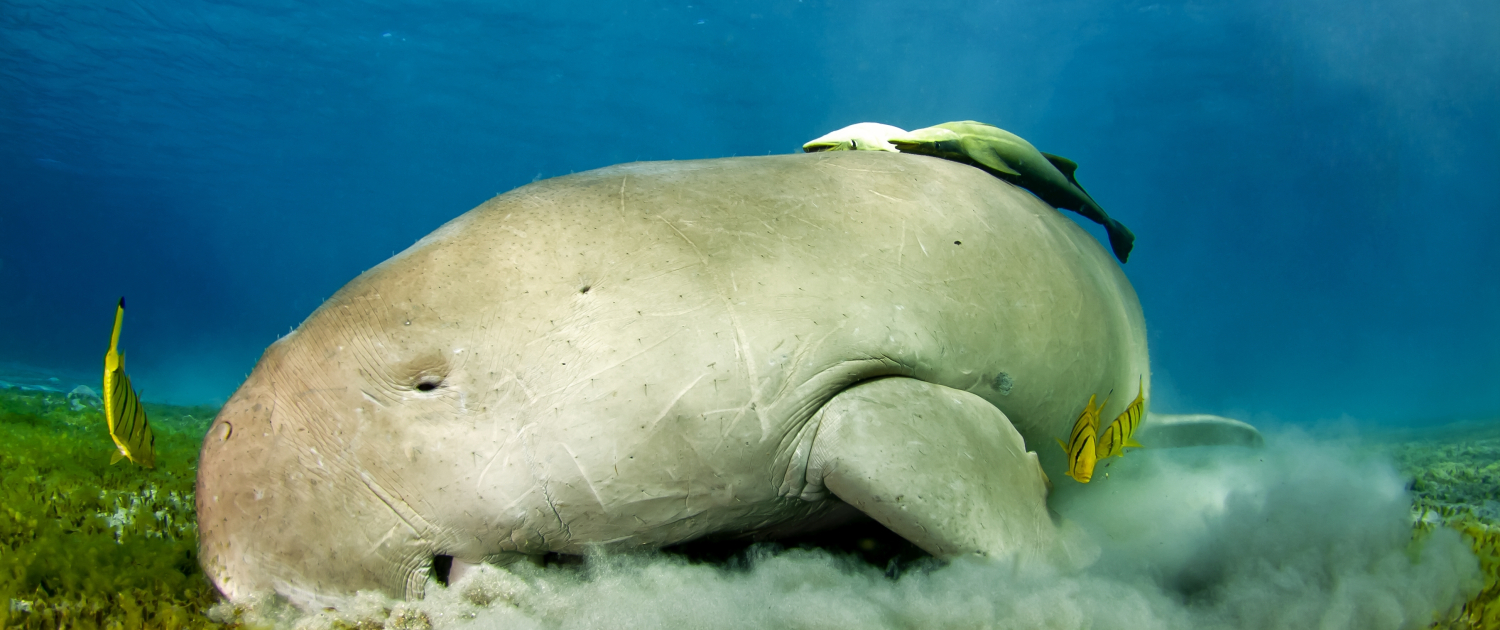
Yungunn means dugong in the Aboriginal Yugambeh language
The Broadwater provides a crucial habitat for seagrasses, which form dense meadows in both intertidal and subtidal zones. These underwater seabeds are more than just homes for plants – they are dynamic ecosystems bursting with life that contribute to the overall health and wellbeing of the marine environment.
Seagrasses help capture and store carbon, which aids in mitigating climate change. Their root systems also stabilise the shoreline and reduce coastal erosion by holding sediments in place. These marine plants capture nutrients and sediment, effectively acting as natural filters for the water. This is essential for maintaining the health of the water and contributes to the overall vitality of the marine ecosystem.
The seagrass meadows provide a nurturing environment for a variety of marine life including many commercially important species of fish and prawns. Small aquatic animals such as crustaceans and molluscs thrive in these surroundings, while larger marine animals like dugongs and turtles rely on seagrasses for their food.
Coastal development, nutrient run-off and climate change can influence seagrass distribution. This highlights the importance of sustainable practices and careful management to preserve seagrass meadows.
The Spit’s seagrass beds act as underwater nurseries, offering safe havens for young fish, fostering biodiversity and supporting an intricate web of marine life.


 https://thespit.gcwa.qld.gov.au/wp-content/uploads/2025/04/Thumbnails_STORY_YDP_EE9-1-Evolving-land-and-sky.jpg
533
533
ydsdevthespit
https://thespit.gcwa.qld.gov.au/wp-content/uploads/2025/08/The-Spit_Logo_Drk-300x132.png
ydsdevthespit2025-08-11 02:50:492025-11-07 06:17:39Evolving Land and Sky
 https://thespit.gcwa.qld.gov.au/wp-content/uploads/2025/08/Thumbnails_STORY_YDP_EE1-4-Seagrass-meadows.jpg
533
533
ydsdevthespit
https://thespit.gcwa.qld.gov.au/wp-content/uploads/2025/08/The-Spit_Logo_Drk-300x132.png
ydsdevthespit2025-08-14 00:19:262026-02-19 05:46:26Seagrass Meadows
 https://thespit.gcwa.qld.gov.au/wp-content/uploads/2025/08/Thumbnails_STORY_GDP_EE3-The-Gold-Coast-Seaway.jpg
533
533
ydsdevthespit
https://thespit.gcwa.qld.gov.au/wp-content/uploads/2025/08/The-Spit_Logo_Drk-300x132.png
ydsdevthespit2025-08-11 04:39:302025-11-14 03:15:15The Gold Coast Seaway
 https://thespit.gcwa.qld.gov.au/wp-content/uploads/2025/08/Thumbnails_STORY_BCP_EE1-2-Bubayeh-sea-turtles.jpg
533
533
ydsdevthespit
https://thespit.gcwa.qld.gov.au/wp-content/uploads/2025/08/The-Spit_Logo_Drk-300x132.png
ydsdevthespit2025-08-11 03:38:252026-02-19 14:05:51Bubayeh Sea Turtles
 https://thespit.gcwa.qld.gov.au/wp-content/uploads/2025/08/Thumbnails_STORY_BTP_EE8-2-Coastal-Banksia.jpg
533
533
ydsdevthespit
https://thespit.gcwa.qld.gov.au/wp-content/uploads/2025/08/The-Spit_Logo_Drk-300x132.png
ydsdevthespit2025-08-11 07:16:062026-02-19 13:59:02Coastal Banksia
 https://thespit.gcwa.qld.gov.au/wp-content/uploads/2025/08/Thumbnails_STORY_BTP_EE8-6-Coastal-Pigface.jpg
533
533
ydsdevthespit
https://thespit.gcwa.qld.gov.au/wp-content/uploads/2025/08/The-Spit_Logo_Drk-300x132.png
ydsdevthespit2025-08-14 00:00:362026-02-19 13:58:03Coastal Pigface
 https://thespit.gcwa.qld.gov.au/wp-content/uploads/2025/08/Thumbnails_STORY_BTP_EE8-1-Coastal-She-Oak.jpg
533
533
ydsdevthespit
https://thespit.gcwa.qld.gov.au/wp-content/uploads/2025/08/The-Spit_Logo_Drk-300x132.png
ydsdevthespit2025-08-11 06:59:032026-02-19 13:59:36Coastal She-oak
 https://thespit.gcwa.qld.gov.au/wp-content/uploads/2025/08/Thumbnails_STORY_GDP_EE4-Continuum-of-Care.jpg
533
533
ydsdevthespit
https://thespit.gcwa.qld.gov.au/wp-content/uploads/2025/08/The-Spit_Logo_Drk-300x132.png
ydsdevthespit2025-08-11 05:09:082026-02-19 14:05:11Continuum of Care
 https://thespit.gcwa.qld.gov.au/wp-content/uploads/2025/08/Thumbnails_STORY_BTP_EE8-5-Cottonwood.jpg
533
533
ydsdevthespit
https://thespit.gcwa.qld.gov.au/wp-content/uploads/2025/08/The-Spit_Logo_Drk-300x132.png
ydsdevthespit2025-08-13 23:58:282026-02-19 13:58:19Cottonwood
 https://thespit.gcwa.qld.gov.au/wp-content/uploads/2025/08/Thumbnails_STORY_GDP_EE9-2-Curlew-Island.jpg
533
533
ydsdevthespit
https://thespit.gcwa.qld.gov.au/wp-content/uploads/2025/08/The-Spit_Logo_Drk-300x132.png
ydsdevthespit2025-08-11 06:40:452026-02-19 14:01:18Curlew Island
 https://thespit.gcwa.qld.gov.au/wp-content/uploads/2025/08/Thumbnails_STORY_EPP_EE1-3-Eugari-pipis.jpg
533
533
ydsdevthespit
https://thespit.gcwa.qld.gov.au/wp-content/uploads/2025/08/The-Spit_Logo_Drk-300x132.png
ydsdevthespit2025-08-14 01:06:352026-02-19 13:57:03Eugari Pipis
 https://thespit.gcwa.qld.gov.au/wp-content/uploads/2025/08/Thumbnails_STORY_BTP_EE5-Federation-Walk-Coastal-Reserve.jpg
533
533
ydsdevthespit
https://thespit.gcwa.qld.gov.au/wp-content/uploads/2025/08/The-Spit_Logo_Drk-300x132.png
ydsdevthespit2025-08-11 06:51:592026-02-19 14:00:39Federation Walk Coastal Reserve
 https://thespit.gcwa.qld.gov.au/wp-content/uploads/2025/08/Thumbnails_STORY_BTP_EE8-7-Long-leaved-Mat-rush.jpg
533
533
ydsdevthespit
https://thespit.gcwa.qld.gov.au/wp-content/uploads/2025/08/The-Spit_Logo_Drk-300x132.png
ydsdevthespit2025-08-11 06:49:062026-02-19 14:00:50Long-leaved Mat-Rush
 https://thespit.gcwa.qld.gov.au/wp-content/uploads/2025/08/Thumbnails_STORY_BTP_EE8-4-Macaranga.jpg
533
533
ydsdevthespit
https://thespit.gcwa.qld.gov.au/wp-content/uploads/2025/08/The-Spit_Logo_Drk-300x132.png
ydsdevthespit2025-08-13 23:55:452026-02-19 13:58:39Macaranga
 https://thespit.gcwa.qld.gov.au/wp-content/uploads/2025/08/Thumbnails_STORY_GDP_EE2-Migratory-birds-of-The-Spit.jpg
533
533
ydsdevthespit
https://thespit.gcwa.qld.gov.au/wp-content/uploads/2025/08/The-Spit_Logo_Drk-300x132.png
ydsdevthespit2025-08-11 06:24:082026-02-19 14:03:02Migratory Birds of The Spit
 https://thespit.gcwa.qld.gov.au/wp-content/uploads/2025/08/Thumbnails_STORY_BTP_EE8-3-Screw-Pine.jpg
533
533
ydsdevthespit
https://thespit.gcwa.qld.gov.au/wp-content/uploads/2025/08/The-Spit_Logo_Drk-300x132.png
ydsdevthespit2025-08-11 06:56:582026-02-19 14:00:02Screw Pine
 https://thespit.gcwa.qld.gov.au/wp-content/uploads/2025/08/Thumbnails_STORY_GDP_EE7-Shifting-sands.jpg
533
533
ydsdevthespit
https://thespit.gcwa.qld.gov.au/wp-content/uploads/2025/08/The-Spit_Logo_Drk-300x132.png
ydsdevthespit2025-08-11 05:43:222026-02-19 14:04:25Shifting Sands
 https://thespit.gcwa.qld.gov.au/wp-content/uploads/2025/08/Thumbnails_STORY_GDP_EE6-Shoring-up-The-Spit.jpg
533
533
ydsdevthespit
https://thespit.gcwa.qld.gov.au/wp-content/uploads/2025/08/The-Spit_Logo_Drk-300x132.png
ydsdevthespit2025-08-11 05:28:172026-02-19 14:04:37Shoring up The Spit
 https://thespit.gcwa.qld.gov.au/wp-content/uploads/2025/04/Thumbnails_STORY_BCP_EE1-1-Wave-Break-Island.jpg
533
533
ydsdevthespit
https://thespit.gcwa.qld.gov.au/wp-content/uploads/2025/08/The-Spit_Logo_Drk-300x132.png
ydsdevthespit2025-04-11 04:54:022026-02-19 14:06:04Wave Break Island
https://thespit.gcwa.qld.gov.au/wp-content/uploads/2025/04/Thumbnails_STORY_YDP_EE9-1-Evolving-land-and-sky.jpg
533
533
ydsdevthespit
https://thespit.gcwa.qld.gov.au/wp-content/uploads/2025/08/The-Spit_Logo_Drk-300x132.png
ydsdevthespit2025-08-11 02:50:492025-11-07 06:17:39Evolving Land and Sky
https://thespit.gcwa.qld.gov.au/wp-content/uploads/2025/08/Thumbnails_STORY_YDP_EE1-4-Seagrass-meadows.jpg
533
533
ydsdevthespit
https://thespit.gcwa.qld.gov.au/wp-content/uploads/2025/08/The-Spit_Logo_Drk-300x132.png
ydsdevthespit2025-08-14 00:19:262026-02-19 05:46:26Seagrass Meadows
https://thespit.gcwa.qld.gov.au/wp-content/uploads/2025/08/Thumbnails_STORY_GDP_EE3-The-Gold-Coast-Seaway.jpg
533
533
ydsdevthespit
https://thespit.gcwa.qld.gov.au/wp-content/uploads/2025/08/The-Spit_Logo_Drk-300x132.png
ydsdevthespit2025-08-11 04:39:302025-11-14 03:15:15The Gold Coast Seaway
https://thespit.gcwa.qld.gov.au/wp-content/uploads/2025/08/Thumbnails_STORY_BCP_EE1-2-Bubayeh-sea-turtles.jpg
533
533
ydsdevthespit
https://thespit.gcwa.qld.gov.au/wp-content/uploads/2025/08/The-Spit_Logo_Drk-300x132.png
ydsdevthespit2025-08-11 03:38:252026-02-19 14:05:51Bubayeh Sea Turtles
https://thespit.gcwa.qld.gov.au/wp-content/uploads/2025/08/Thumbnails_STORY_BTP_EE8-2-Coastal-Banksia.jpg
533
533
ydsdevthespit
https://thespit.gcwa.qld.gov.au/wp-content/uploads/2025/08/The-Spit_Logo_Drk-300x132.png
ydsdevthespit2025-08-11 07:16:062026-02-19 13:59:02Coastal Banksia
https://thespit.gcwa.qld.gov.au/wp-content/uploads/2025/08/Thumbnails_STORY_BTP_EE8-6-Coastal-Pigface.jpg
533
533
ydsdevthespit
https://thespit.gcwa.qld.gov.au/wp-content/uploads/2025/08/The-Spit_Logo_Drk-300x132.png
ydsdevthespit2025-08-14 00:00:362026-02-19 13:58:03Coastal Pigface
https://thespit.gcwa.qld.gov.au/wp-content/uploads/2025/08/Thumbnails_STORY_BTP_EE8-1-Coastal-She-Oak.jpg
533
533
ydsdevthespit
https://thespit.gcwa.qld.gov.au/wp-content/uploads/2025/08/The-Spit_Logo_Drk-300x132.png
ydsdevthespit2025-08-11 06:59:032026-02-19 13:59:36Coastal She-oak
https://thespit.gcwa.qld.gov.au/wp-content/uploads/2025/08/Thumbnails_STORY_GDP_EE4-Continuum-of-Care.jpg
533
533
ydsdevthespit
https://thespit.gcwa.qld.gov.au/wp-content/uploads/2025/08/The-Spit_Logo_Drk-300x132.png
ydsdevthespit2025-08-11 05:09:082026-02-19 14:05:11Continuum of Care
https://thespit.gcwa.qld.gov.au/wp-content/uploads/2025/08/Thumbnails_STORY_BTP_EE8-5-Cottonwood.jpg
533
533
ydsdevthespit
https://thespit.gcwa.qld.gov.au/wp-content/uploads/2025/08/The-Spit_Logo_Drk-300x132.png
ydsdevthespit2025-08-13 23:58:282026-02-19 13:58:19Cottonwood
https://thespit.gcwa.qld.gov.au/wp-content/uploads/2025/08/Thumbnails_STORY_GDP_EE9-2-Curlew-Island.jpg
533
533
ydsdevthespit
https://thespit.gcwa.qld.gov.au/wp-content/uploads/2025/08/The-Spit_Logo_Drk-300x132.png
ydsdevthespit2025-08-11 06:40:452026-02-19 14:01:18Curlew Island
https://thespit.gcwa.qld.gov.au/wp-content/uploads/2025/08/Thumbnails_STORY_EPP_EE1-3-Eugari-pipis.jpg
533
533
ydsdevthespit
https://thespit.gcwa.qld.gov.au/wp-content/uploads/2025/08/The-Spit_Logo_Drk-300x132.png
ydsdevthespit2025-08-14 01:06:352026-02-19 13:57:03Eugari Pipis
https://thespit.gcwa.qld.gov.au/wp-content/uploads/2025/08/Thumbnails_STORY_BTP_EE5-Federation-Walk-Coastal-Reserve.jpg
533
533
ydsdevthespit
https://thespit.gcwa.qld.gov.au/wp-content/uploads/2025/08/The-Spit_Logo_Drk-300x132.png
ydsdevthespit2025-08-11 06:51:592026-02-19 14:00:39Federation Walk Coastal Reserve
https://thespit.gcwa.qld.gov.au/wp-content/uploads/2025/08/Thumbnails_STORY_BTP_EE8-7-Long-leaved-Mat-rush.jpg
533
533
ydsdevthespit
https://thespit.gcwa.qld.gov.au/wp-content/uploads/2025/08/The-Spit_Logo_Drk-300x132.png
ydsdevthespit2025-08-11 06:49:062026-02-19 14:00:50Long-leaved Mat-Rush
https://thespit.gcwa.qld.gov.au/wp-content/uploads/2025/08/Thumbnails_STORY_BTP_EE8-4-Macaranga.jpg
533
533
ydsdevthespit
https://thespit.gcwa.qld.gov.au/wp-content/uploads/2025/08/The-Spit_Logo_Drk-300x132.png
ydsdevthespit2025-08-13 23:55:452026-02-19 13:58:39Macaranga
https://thespit.gcwa.qld.gov.au/wp-content/uploads/2025/08/Thumbnails_STORY_GDP_EE2-Migratory-birds-of-The-Spit.jpg
533
533
ydsdevthespit
https://thespit.gcwa.qld.gov.au/wp-content/uploads/2025/08/The-Spit_Logo_Drk-300x132.png
ydsdevthespit2025-08-11 06:24:082026-02-19 14:03:02Migratory Birds of The Spit
https://thespit.gcwa.qld.gov.au/wp-content/uploads/2025/08/Thumbnails_STORY_BTP_EE8-3-Screw-Pine.jpg
533
533
ydsdevthespit
https://thespit.gcwa.qld.gov.au/wp-content/uploads/2025/08/The-Spit_Logo_Drk-300x132.png
ydsdevthespit2025-08-11 06:56:582026-02-19 14:00:02Screw Pine
https://thespit.gcwa.qld.gov.au/wp-content/uploads/2025/08/Thumbnails_STORY_GDP_EE7-Shifting-sands.jpg
533
533
ydsdevthespit
https://thespit.gcwa.qld.gov.au/wp-content/uploads/2025/08/The-Spit_Logo_Drk-300x132.png
ydsdevthespit2025-08-11 05:43:222026-02-19 14:04:25Shifting Sands
https://thespit.gcwa.qld.gov.au/wp-content/uploads/2025/08/Thumbnails_STORY_GDP_EE6-Shoring-up-The-Spit.jpg
533
533
ydsdevthespit
https://thespit.gcwa.qld.gov.au/wp-content/uploads/2025/08/The-Spit_Logo_Drk-300x132.png
ydsdevthespit2025-08-11 05:28:172026-02-19 14:04:37Shoring up The Spit
https://thespit.gcwa.qld.gov.au/wp-content/uploads/2025/04/Thumbnails_STORY_BCP_EE1-1-Wave-Break-Island.jpg
533
533
ydsdevthespit
https://thespit.gcwa.qld.gov.au/wp-content/uploads/2025/08/The-Spit_Logo_Drk-300x132.png
ydsdevthespit2025-04-11 04:54:022026-02-19 14:06:04Wave Break Island

 https://thespit.gcwa.qld.gov.au/wp-content/uploads/2025/08/Thumbnails_STORY_YDP_C3-Communities-preserving-The-Spit.jpg
533
533
ydsdevthespit
https://thespit.gcwa.qld.gov.au/wp-content/uploads/2025/08/The-Spit_Logo_Drk-300x132.png
ydsdevthespit2025-08-14 00:36:492026-02-17 23:16:49Communities Preserving The Spit
https://thespit.gcwa.qld.gov.au/wp-content/uploads/2025/04/Thumbnails_STORY_YDP_EE9-1-Evolving-land-and-sky.jpg
533
533
ydsdevthespit
https://thespit.gcwa.qld.gov.au/wp-content/uploads/2025/08/The-Spit_Logo_Drk-300x132.png
ydsdevthespit2025-08-11 02:50:492025-11-07 06:17:39Evolving Land and Sky
 https://thespit.gcwa.qld.gov.au/wp-content/uploads/2025/08/Thumbnails_STORY_YDP_M3-1-Exploring-The-Broadwater.jpg
533
533
ydsdevthespit
https://thespit.gcwa.qld.gov.au/wp-content/uploads/2025/08/The-Spit_Logo_Drk-300x132.png
ydsdevthespit2025-08-14 00:49:282026-02-17 06:57:57Exploring the Broadwater
https://thespit.gcwa.qld.gov.au/wp-content/uploads/2025/08/Thumbnails_STORY_YDP_EE1-4-Seagrass-meadows.jpg
533
533
ydsdevthespit
https://thespit.gcwa.qld.gov.au/wp-content/uploads/2025/08/The-Spit_Logo_Drk-300x132.png
ydsdevthespit2025-08-14 00:19:262026-02-19 05:46:26Seagrass Meadows
 https://thespit.gcwa.qld.gov.au/wp-content/uploads/2025/08/Thumbnails_STORY_YDP_M3-2-Sailing-cadets.jpg
533
533
ydsdevthespit
https://thespit.gcwa.qld.gov.au/wp-content/uploads/2025/08/The-Spit_Logo_Drk-300x132.png
ydsdevthespit2025-08-14 00:52:542026-02-19 13:57:47Sailing Cadets
https://thespit.gcwa.qld.gov.au/wp-content/uploads/2025/08/Thumbnails_STORY_YDP_C3-Communities-preserving-The-Spit.jpg
533
533
ydsdevthespit
https://thespit.gcwa.qld.gov.au/wp-content/uploads/2025/08/The-Spit_Logo_Drk-300x132.png
ydsdevthespit2025-08-14 00:36:492026-02-17 23:16:49Communities Preserving The Spit
https://thespit.gcwa.qld.gov.au/wp-content/uploads/2025/04/Thumbnails_STORY_YDP_EE9-1-Evolving-land-and-sky.jpg
533
533
ydsdevthespit
https://thespit.gcwa.qld.gov.au/wp-content/uploads/2025/08/The-Spit_Logo_Drk-300x132.png
ydsdevthespit2025-08-11 02:50:492025-11-07 06:17:39Evolving Land and Sky
https://thespit.gcwa.qld.gov.au/wp-content/uploads/2025/08/Thumbnails_STORY_YDP_M3-1-Exploring-The-Broadwater.jpg
533
533
ydsdevthespit
https://thespit.gcwa.qld.gov.au/wp-content/uploads/2025/08/The-Spit_Logo_Drk-300x132.png
ydsdevthespit2025-08-14 00:49:282026-02-17 06:57:57Exploring the Broadwater
https://thespit.gcwa.qld.gov.au/wp-content/uploads/2025/08/Thumbnails_STORY_YDP_EE1-4-Seagrass-meadows.jpg
533
533
ydsdevthespit
https://thespit.gcwa.qld.gov.au/wp-content/uploads/2025/08/The-Spit_Logo_Drk-300x132.png
ydsdevthespit2025-08-14 00:19:262026-02-19 05:46:26Seagrass Meadows
https://thespit.gcwa.qld.gov.au/wp-content/uploads/2025/08/Thumbnails_STORY_YDP_M3-2-Sailing-cadets.jpg
533
533
ydsdevthespit
https://thespit.gcwa.qld.gov.au/wp-content/uploads/2025/08/The-Spit_Logo_Drk-300x132.png
ydsdevthespit2025-08-14 00:52:542026-02-19 13:57:47Sailing Cadets


 https://thespit.gcwa.qld.gov.au/wp-content/uploads/2025/04/Thumbnails_STORY_YDP_EE9-1-Evolving-land-and-sky.jpg
533
533
ydsdevthespit
https://thespit.gcwa.qld.gov.au/wp-content/uploads/2025/08/The-Spit_Logo_Drk-300x132.png
ydsdevthespit2025-08-11 02:50:492025-11-07 06:17:39Evolving Land and Sky
https://thespit.gcwa.qld.gov.au/wp-content/uploads/2025/08/Thumbnails_STORY_YDP_EE1-4-Seagrass-meadows.jpg
533
533
ydsdevthespit
https://thespit.gcwa.qld.gov.au/wp-content/uploads/2025/08/The-Spit_Logo_Drk-300x132.png
ydsdevthespit2025-08-14 00:19:262026-02-19 05:46:26Seagrass Meadows
https://thespit.gcwa.qld.gov.au/wp-content/uploads/2025/08/Thumbnails_STORY_GDP_EE3-The-Gold-Coast-Seaway.jpg
533
533
ydsdevthespit
https://thespit.gcwa.qld.gov.au/wp-content/uploads/2025/08/The-Spit_Logo_Drk-300x132.png
ydsdevthespit2025-08-11 04:39:302025-11-14 03:15:15The Gold Coast Seaway
https://thespit.gcwa.qld.gov.au/wp-content/uploads/2025/08/Thumbnails_STORY_BCP_EE1-2-Bubayeh-sea-turtles.jpg
533
533
ydsdevthespit
https://thespit.gcwa.qld.gov.au/wp-content/uploads/2025/08/The-Spit_Logo_Drk-300x132.png
ydsdevthespit2025-08-11 03:38:252026-02-19 14:05:51Bubayeh Sea Turtles
https://thespit.gcwa.qld.gov.au/wp-content/uploads/2025/08/Thumbnails_STORY_BTP_EE8-2-Coastal-Banksia.jpg
533
533
ydsdevthespit
https://thespit.gcwa.qld.gov.au/wp-content/uploads/2025/08/The-Spit_Logo_Drk-300x132.png
ydsdevthespit2025-08-11 07:16:062026-02-19 13:59:02Coastal Banksia
https://thespit.gcwa.qld.gov.au/wp-content/uploads/2025/08/Thumbnails_STORY_BTP_EE8-6-Coastal-Pigface.jpg
533
533
ydsdevthespit
https://thespit.gcwa.qld.gov.au/wp-content/uploads/2025/08/The-Spit_Logo_Drk-300x132.png
ydsdevthespit2025-08-14 00:00:362026-02-19 13:58:03Coastal Pigface
https://thespit.gcwa.qld.gov.au/wp-content/uploads/2025/08/Thumbnails_STORY_BTP_EE8-1-Coastal-She-Oak.jpg
533
533
ydsdevthespit
https://thespit.gcwa.qld.gov.au/wp-content/uploads/2025/08/The-Spit_Logo_Drk-300x132.png
ydsdevthespit2025-08-11 06:59:032026-02-19 13:59:36Coastal She-oak
https://thespit.gcwa.qld.gov.au/wp-content/uploads/2025/08/Thumbnails_STORY_GDP_EE4-Continuum-of-Care.jpg
533
533
ydsdevthespit
https://thespit.gcwa.qld.gov.au/wp-content/uploads/2025/08/The-Spit_Logo_Drk-300x132.png
ydsdevthespit2025-08-11 05:09:082026-02-19 14:05:11Continuum of Care
https://thespit.gcwa.qld.gov.au/wp-content/uploads/2025/08/Thumbnails_STORY_BTP_EE8-5-Cottonwood.jpg
533
533
ydsdevthespit
https://thespit.gcwa.qld.gov.au/wp-content/uploads/2025/08/The-Spit_Logo_Drk-300x132.png
ydsdevthespit2025-08-13 23:58:282026-02-19 13:58:19Cottonwood
https://thespit.gcwa.qld.gov.au/wp-content/uploads/2025/08/Thumbnails_STORY_GDP_EE9-2-Curlew-Island.jpg
533
533
ydsdevthespit
https://thespit.gcwa.qld.gov.au/wp-content/uploads/2025/08/The-Spit_Logo_Drk-300x132.png
ydsdevthespit2025-08-11 06:40:452026-02-19 14:01:18Curlew Island
https://thespit.gcwa.qld.gov.au/wp-content/uploads/2025/08/Thumbnails_STORY_EPP_EE1-3-Eugari-pipis.jpg
533
533
ydsdevthespit
https://thespit.gcwa.qld.gov.au/wp-content/uploads/2025/08/The-Spit_Logo_Drk-300x132.png
ydsdevthespit2025-08-14 01:06:352026-02-19 13:57:03Eugari Pipis
https://thespit.gcwa.qld.gov.au/wp-content/uploads/2025/08/Thumbnails_STORY_BTP_EE5-Federation-Walk-Coastal-Reserve.jpg
533
533
ydsdevthespit
https://thespit.gcwa.qld.gov.au/wp-content/uploads/2025/08/The-Spit_Logo_Drk-300x132.png
ydsdevthespit2025-08-11 06:51:592026-02-19 14:00:39Federation Walk Coastal Reserve
https://thespit.gcwa.qld.gov.au/wp-content/uploads/2025/08/Thumbnails_STORY_BTP_EE8-7-Long-leaved-Mat-rush.jpg
533
533
ydsdevthespit
https://thespit.gcwa.qld.gov.au/wp-content/uploads/2025/08/The-Spit_Logo_Drk-300x132.png
ydsdevthespit2025-08-11 06:49:062026-02-19 14:00:50Long-leaved Mat-Rush
https://thespit.gcwa.qld.gov.au/wp-content/uploads/2025/08/Thumbnails_STORY_BTP_EE8-4-Macaranga.jpg
533
533
ydsdevthespit
https://thespit.gcwa.qld.gov.au/wp-content/uploads/2025/08/The-Spit_Logo_Drk-300x132.png
ydsdevthespit2025-08-13 23:55:452026-02-19 13:58:39Macaranga
https://thespit.gcwa.qld.gov.au/wp-content/uploads/2025/08/Thumbnails_STORY_GDP_EE2-Migratory-birds-of-The-Spit.jpg
533
533
ydsdevthespit
https://thespit.gcwa.qld.gov.au/wp-content/uploads/2025/08/The-Spit_Logo_Drk-300x132.png
ydsdevthespit2025-08-11 06:24:082026-02-19 14:03:02Migratory Birds of The Spit
https://thespit.gcwa.qld.gov.au/wp-content/uploads/2025/08/Thumbnails_STORY_BTP_EE8-3-Screw-Pine.jpg
533
533
ydsdevthespit
https://thespit.gcwa.qld.gov.au/wp-content/uploads/2025/08/The-Spit_Logo_Drk-300x132.png
ydsdevthespit2025-08-11 06:56:582026-02-19 14:00:02Screw Pine
https://thespit.gcwa.qld.gov.au/wp-content/uploads/2025/08/Thumbnails_STORY_GDP_EE7-Shifting-sands.jpg
533
533
ydsdevthespit
https://thespit.gcwa.qld.gov.au/wp-content/uploads/2025/08/The-Spit_Logo_Drk-300x132.png
ydsdevthespit2025-08-11 05:43:222026-02-19 14:04:25Shifting Sands
https://thespit.gcwa.qld.gov.au/wp-content/uploads/2025/08/Thumbnails_STORY_GDP_EE6-Shoring-up-The-Spit.jpg
533
533
ydsdevthespit
https://thespit.gcwa.qld.gov.au/wp-content/uploads/2025/08/The-Spit_Logo_Drk-300x132.png
ydsdevthespit2025-08-11 05:28:172026-02-19 14:04:37Shoring up The Spit
https://thespit.gcwa.qld.gov.au/wp-content/uploads/2025/04/Thumbnails_STORY_BCP_EE1-1-Wave-Break-Island.jpg
533
533
ydsdevthespit
https://thespit.gcwa.qld.gov.au/wp-content/uploads/2025/08/The-Spit_Logo_Drk-300x132.png
ydsdevthespit2025-04-11 04:54:022026-02-19 14:06:04Wave Break Island

The Spit Stories project is funded through the Spit Works Program.


 Communities Preserving The Spit